Seasonal care
The harmattan protocol: protecting a luxury car through dust season
For a few weeks each year the air over Lagos and Ogun turns abrasive. Here is what that does to a premium vehicle, and the service sequence we use to get ahead of it.
Every December the wind changes. A dry mass of air moves down from the Sahara and settles over the south-west, and for several weeks the atmosphere carries a fine mineral dust that behaves less like dirt and more like a very soft grinding paste. Owners notice the obvious signs first: a grey film on the bonnet by mid-morning, a windscreen that smears instead of clearing, a cabin that smells faintly of chalk. What they rarely see is the quieter work that same dust is doing inside the car.
We treat harmattan as a service season in its own right, in the same way a workshop in a colder country plans around salt and frost. The vehicles that come through the atelier in January are not suffering from neglect. They are suffering from ordinary use in extraordinary air.
What the dust actually does
Harmattan dust is dominated by silica and clay particles, most of them small enough to stay airborne for hours and to pass through a filter that has already done a season of work. The damage it causes is cumulative rather than dramatic, which is precisely why it is easy to miss.
- Paint and glass suffer from dry abrasion. Wiping a dusty panel with a dry cloth drags mineral grit across the clear coat, and after a few weeks that shows up as fine swirl marks under direct sunlight.
- Air filtration loads up quickly. A panel filter that would comfortably run to its normal interval can become restrictive in a matter of weeks, and a restricted intake changes how the engine breathes long before any warning appears.
- Cabin filters saturate and start to smell. Once the media is loaded, the blower simply pushes dust past it and into the ventilation ducts, where it settles and stays.
- Brake and suspension components collect a fine paste. Mixed with morning humidity, dust becomes mildly abrasive slurry around calipers, bushes, and exposed linkages.
- Radiator and condenser fins clog from the front. Cooling performance drops gradually, and the first symptom most owners register is air conditioning that no longer bites at idle in traffic.
None of these are emergencies. All of them are cheaper to prevent than to correct, and several of them shorten the life of components that are expensive to replace on a premium vehicle.
The sequence we follow
A harmattan visit is not a standard service with extra washing. The order matters, because cleaning in the wrong sequence simply moves dust from one place to another.
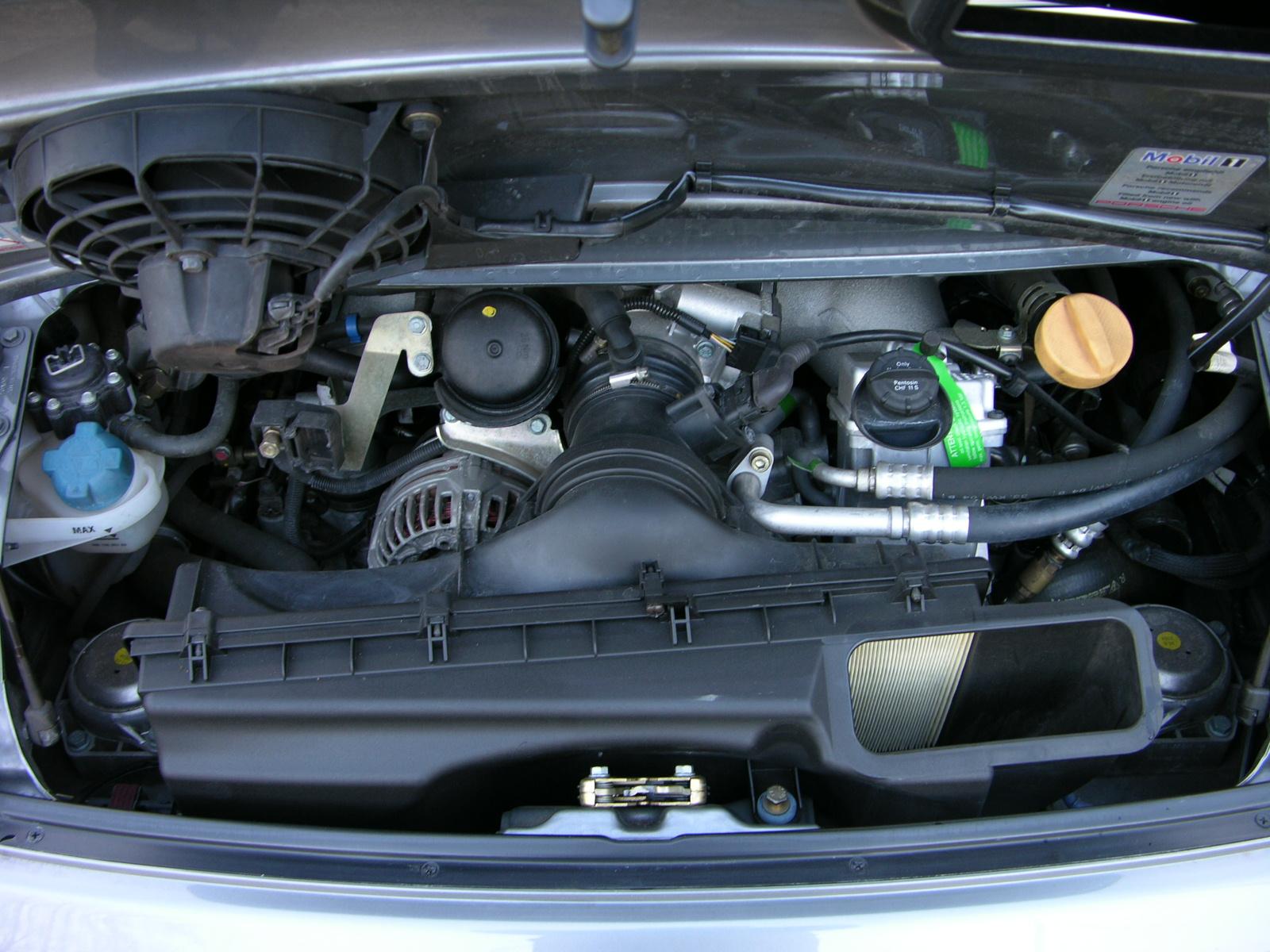
We begin with filtration, because that is where the largest protective gain sits. Engine air filter, cabin filter, and where relevant the secondary charcoal element are inspected and replaced rather than blown out. Compressed air is a tempting shortcut, but it damages filter media and drives fine particles deeper into it.
Next comes the cooling stack. The condenser and radiator are cleaned from the engine side outward, using low pressure and the correct angle, so that trapped dust exits the way it came in rather than being pushed further into the core. This single step often restores the air conditioning performance an owner assumed had been lost to a failing compressor.
Only then do we touch the paint. The vehicle is decontaminated with a pre-soak so the mineral layer is lifted and floated away before any cloth makes contact, then washed with two buckets and a rinsed mitt. Where the finish already shows dry-wipe marks, we assess whether a light machine polish is justified or whether the clear coat is better left alone until the season passes. Restraint matters here: clear coat is a finite resource, and polishing a car twice in one dust season is rarely the right call.
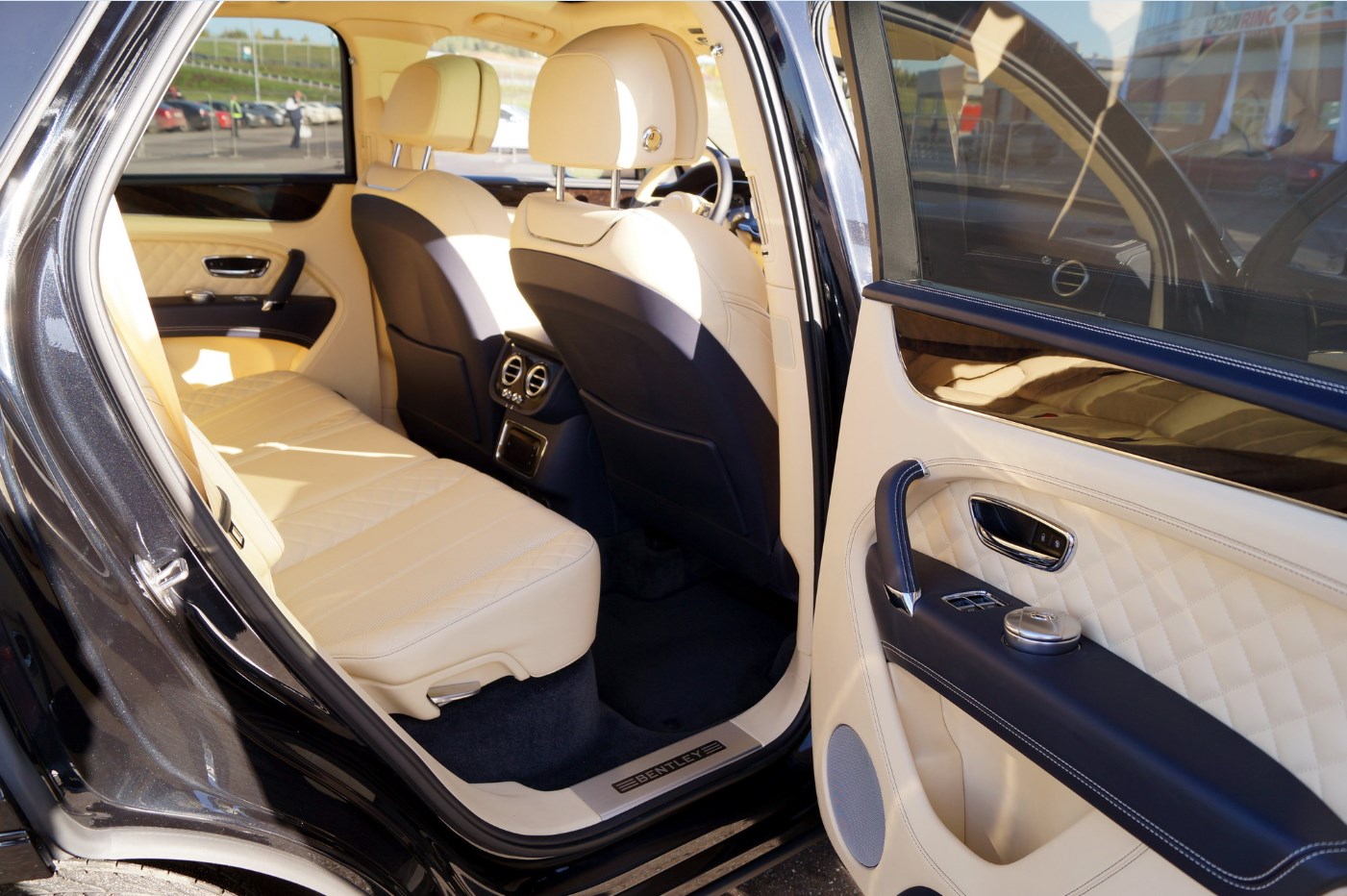
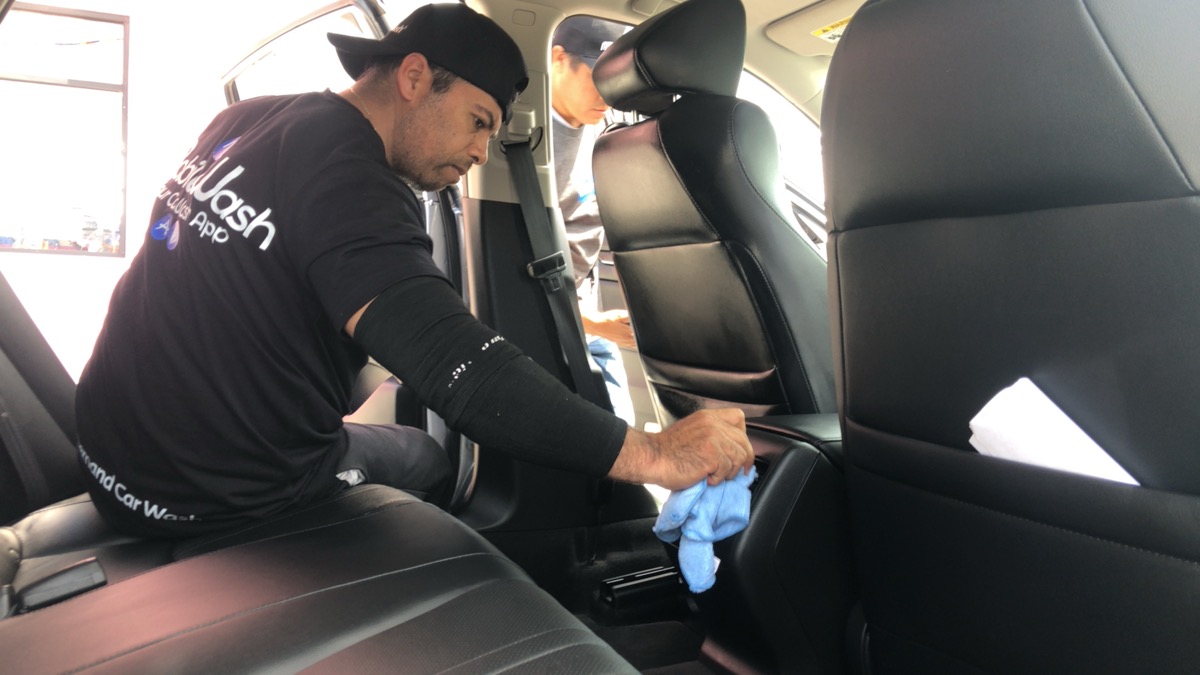
The cabin is finished last, and it is the step that owners appreciate most. Ducts are cleared, headliner and pillars are drawn down with extraction rather than brushed, seals and window channels are cleaned so glass stops picking up grit on the way up, and leather is cleaned and conditioned once the dust has actually left the car rather than being sealed under a dressing.
The goal in dust season is not a car that looks clean for an afternoon. It is a car that has less abrasive material inside it than when it arrived.
What owners can do between visits
Most harmattan damage happens in the gap between services, during the small daily decisions that feel harmless. A short list of habits prevents the majority of it.
- Never dry-wipe a dusty panel, including the windscreen. If there is no water available, leave the dust alone; it is doing less harm sitting still than it does under a cloth.
- Use the windscreen washers generously before the wipers, and top the reservoir with a proper washer fluid rather than plain water.
- Run the ventilation on recirculation in heavy dust, then switch back to fresh air once you are moving in cleaner conditions.
- Park nose-out of prevailing wind where you have the choice, and avoid covering a dusty car with a soft cover, which turns the cover into a large abrasive pad.
- Expect your service interval to shorten. In a bad season, filtration is the item to bring forward, not the oil.
Planning the year around it
For owners who keep more than one vehicle, or who travel through the season, we build the calendar backwards from harmattan rather than forwards from the last service. A filtration and cooling visit before the wind arrives, a mid-season cabin and decontamination visit, and a corrective appointment once the air clears in late February covers most cars comfortably.
It is a modest amount of planning for a season that quietly does more cosmetic and mechanical damage than the rest of the year combined. And it means the car you collect in March is the car you handed over in November, which is ultimately the whole point.